Stack & queue
Stack
A stack normally is a structure of sequential and ordered elements and it’s based on the principle of last in first out (LIFO).
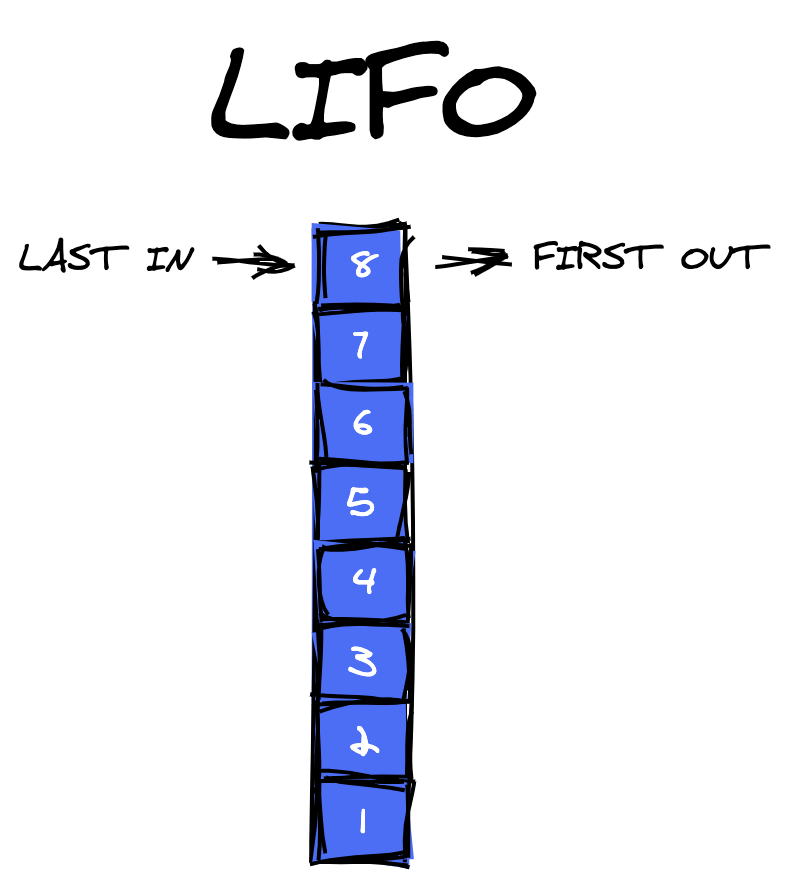
A stack data structure has two fundamental operations :
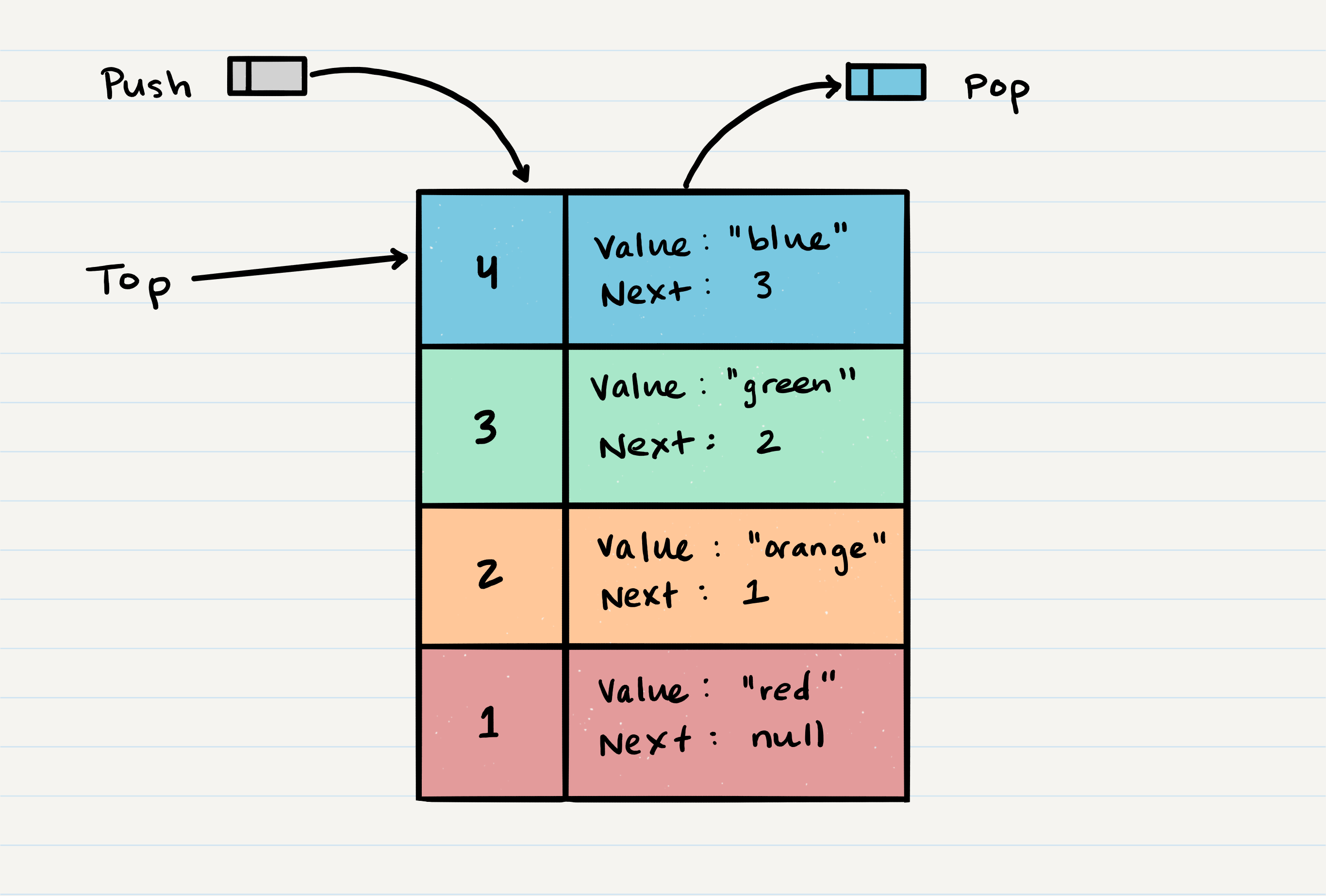
A stack data structure has four fundamental operations:
1- ‘Push’ This operation is responsible for inserting or pushing a new element to the stack.
Pushing a Node onto a stack will always be an O(1) operation. This is because it takes the same amount of time no matter how many Nodes (n) you have in the stack.
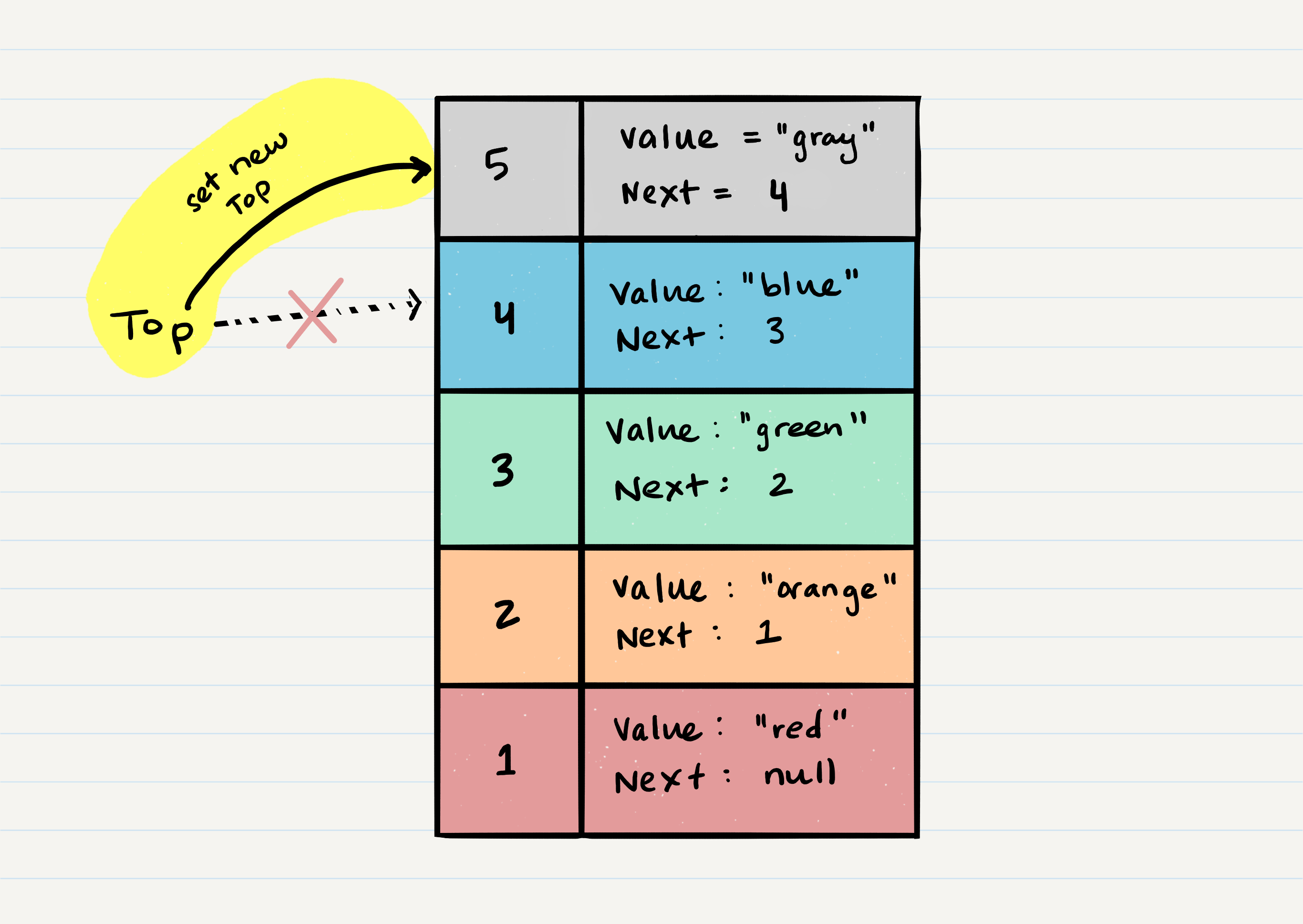
ALOGORITHM push(value)//
INPUT <– value to add, wrapped in Node internally//
OUTPUT <– none
node = new Node(value)
node.next <– Top
top <– Node
2- ‘POP’ This operation is responsible for removing the most recent element from the stack. O(1)
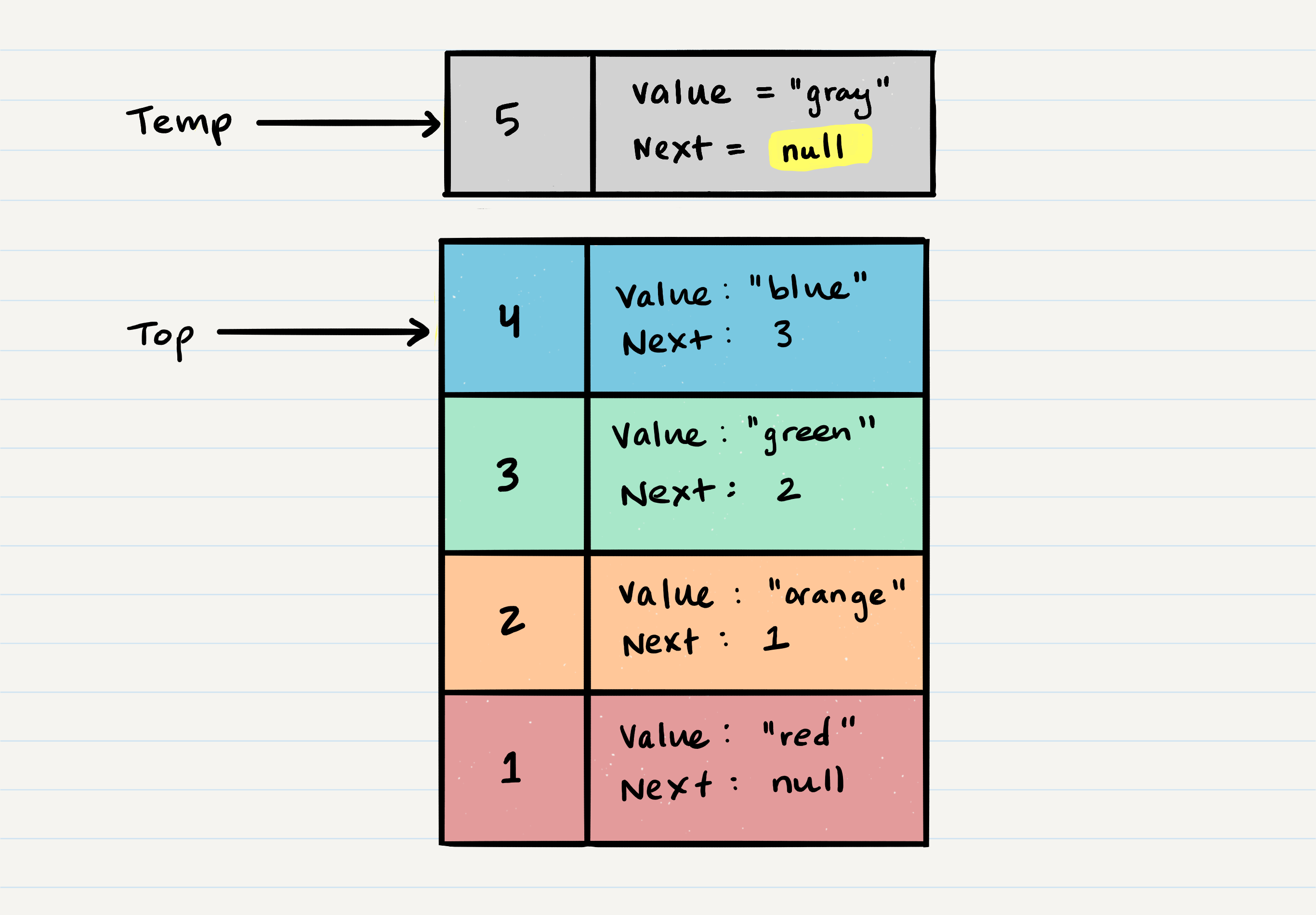
node = new Node(value)
temp <– Top
top <– Top.next
temp.next <– null
3- ‘Peek’ This operation is responsible for given the value of the Top.
return top.value
4- ‘is empty’ This operation is responsible for checking if the Stackis empty or not.
return top.next === null
Queue
A Queue is a linear structure which follows a particular order in which the operations are performed. The order is First In First Out (FIFO).
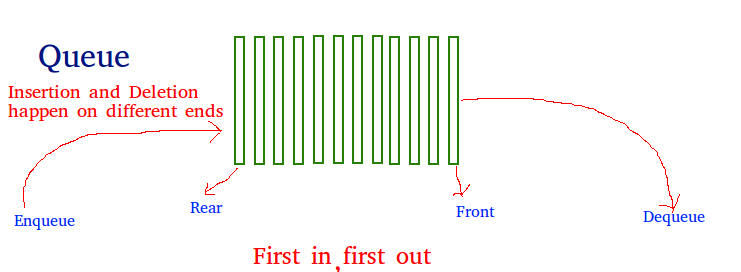
A Queue data structure has four fundamental operations:
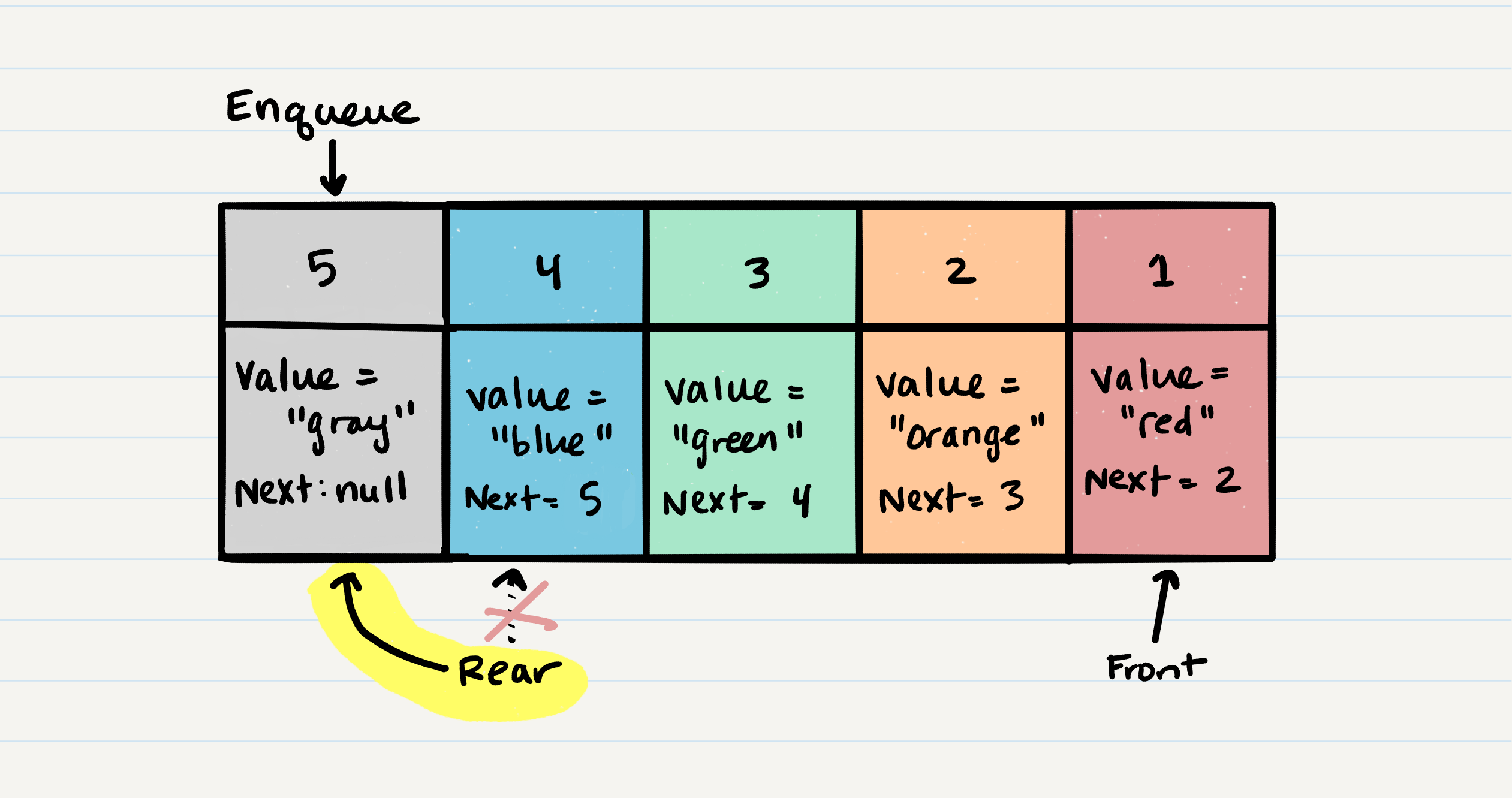
1- ‘Enqueue’ When you add new node to a queue, you use the enqueue action and the node add to the rear . This is done with an O(1) operation
ALGORITHM enqueue(value)//
INPUT <– value to add to queue (will be wrapped in Node internally)//
OUTPUT <– none
node = new Node(value)
rear.next <– node
rear <– node
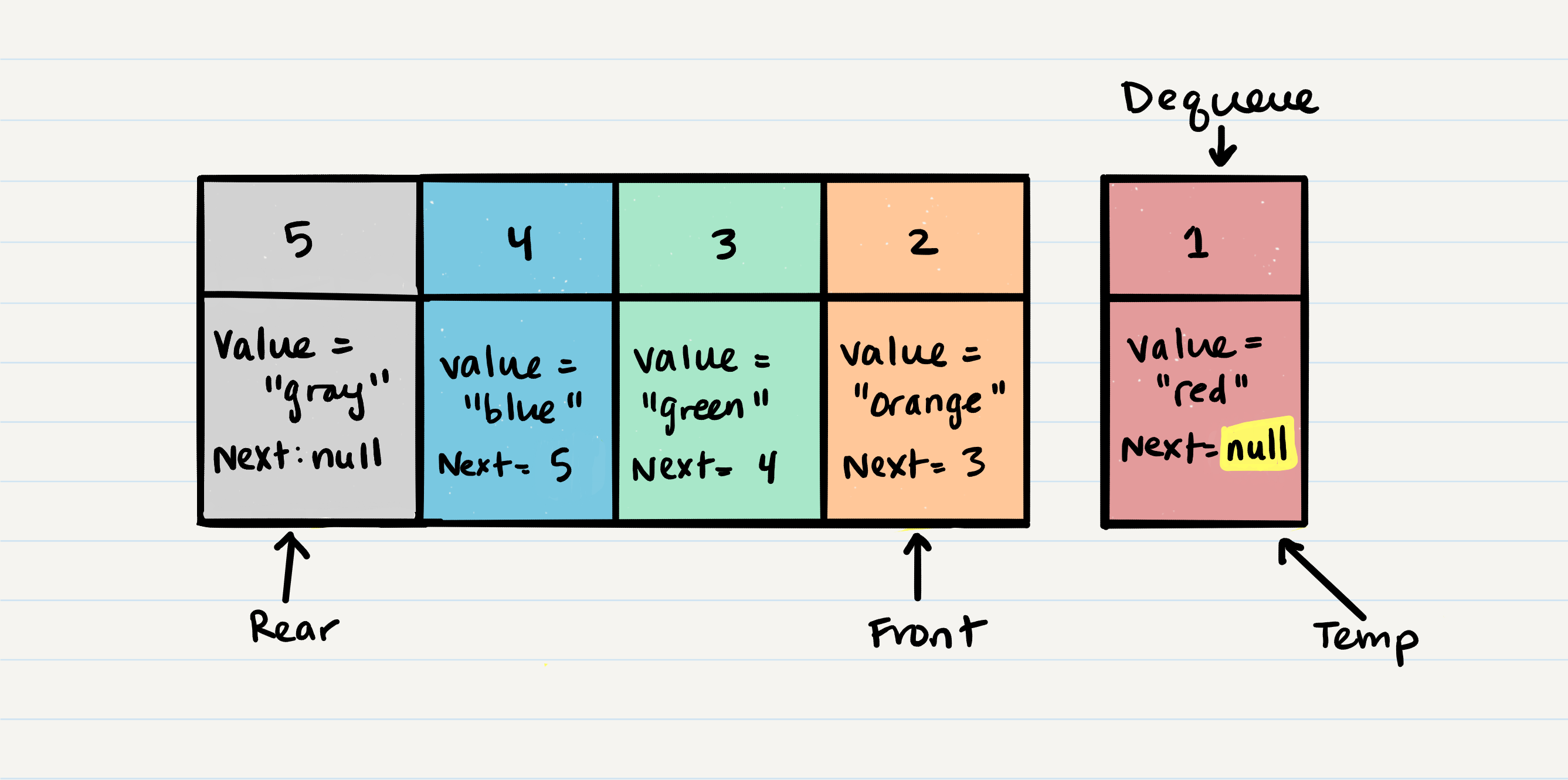
2- ‘Dequeue’ When you remove a node from a queue, you use the Dequeue action and the node removed from the front. This is done with an O(1) operation
ALGORITHM dequeue()//
INPUT <– none//
OUTPUT <– value of the removed Node//
Node temp <– front
front <– front.next
temp.next <– null
3- ‘Peek’ This operation is responsible for given the value of the Top.
return front.value
4- ‘is empty’ This operation is responsible for checking if the Stackis empty or not.
return front.value === null